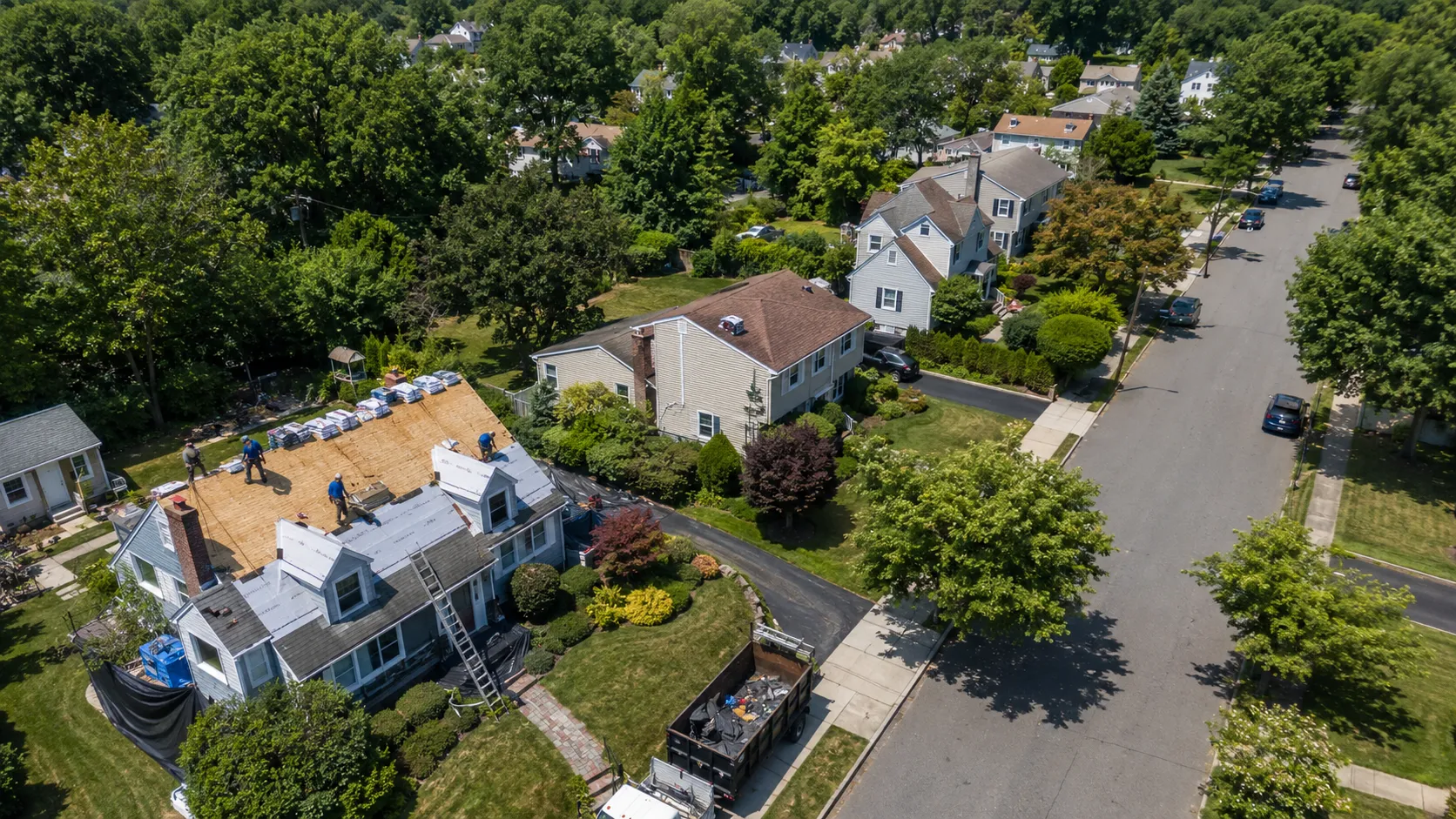
Storm Damage Roof Repair in New Jersey
Wind and Storm Damage May Not Be Obvious From the Ground
Strong wind, hail, heavy rain, and falling branches can affect shingles, flashing, roof edges, gutters, and other exterior components. Missing materials may be easy to see, while lifted edges, broken seals, impact marks, and new water entry can be harder to identify from the ground. Storm damage roof repair starts with finding the affected areas and understanding how far the damage extends.
Jersey Eco Roofing reviews accessible shingles, flashing, penetrations, roof edges, ridge materials, gutters, and nearby exterior components for visible weather-related concerns. When high winds are the primary cause, the wind damage roof repair recommendation is tied to the affected slopes and surrounding material condition.
Homeowners receive a clear explanation of the visible findings, proposed scope, materials, timing, access, and cleanup. If concealed deterioration becomes visible after damaged materials are removed, the next steps can be discussed before additional work moves forward.
Signs of Roof Damage After a Storm
Storm-Related Roof Problems Worth Reviewing
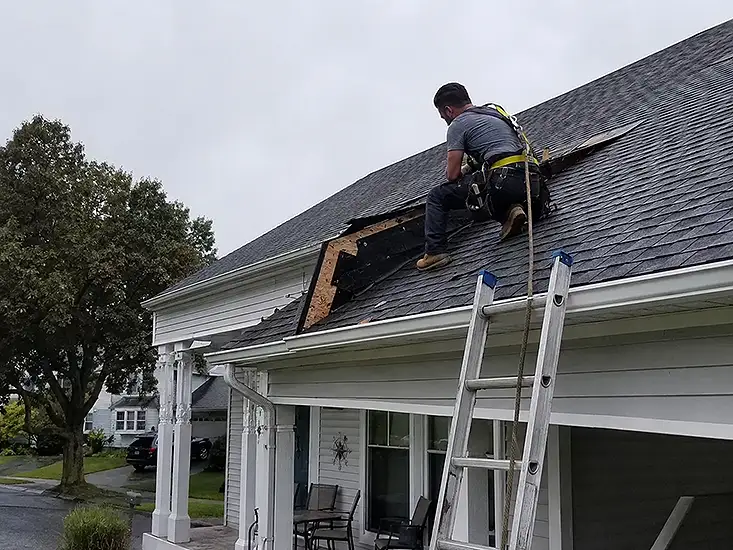
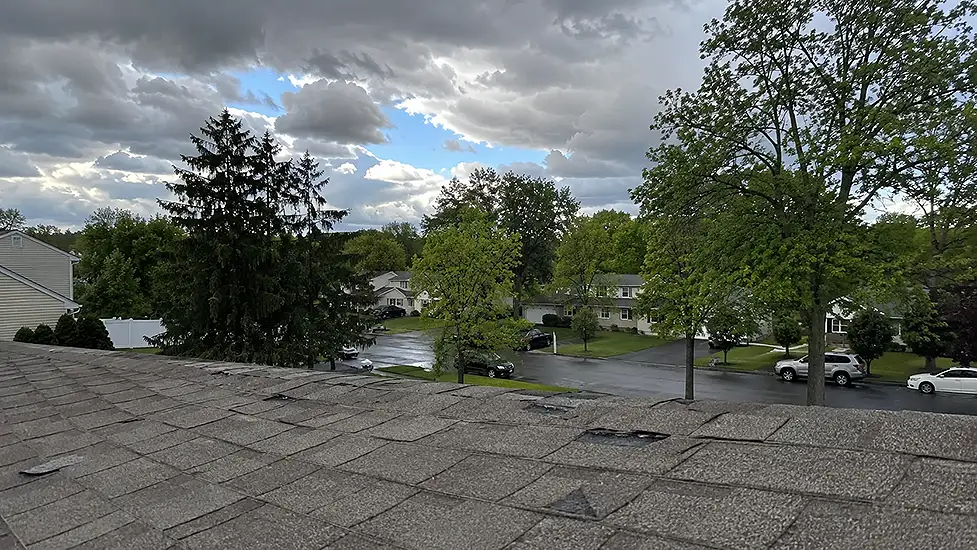
A roof can look intact from the yard even when wind has broken shingle seals, creased tabs, loosened ridge materials, or shifted flashing. Wind-driven debris can also damage one area, and a roof leak may appear later when rain reaches a wind-weakened opening.
Wind damage roof repair may be needed when high winds leave missing or lifted shingles, displaced flashing, loose exterior components, or new moisture inside the home. A closer inspection can help determine whether the roof needs a targeted repair, broader replacement, or continued monitoring.
Missing or Lifted Shingles
High winds can break seals, crease shingles, or remove materials from exposed roof areas.
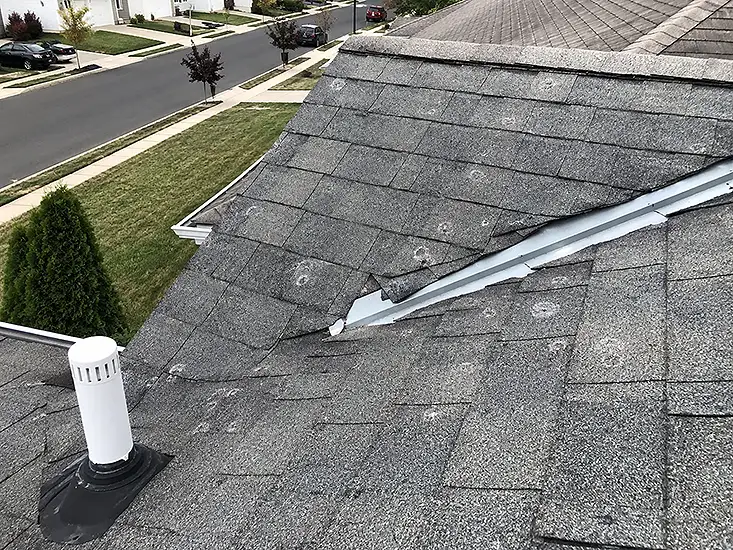
Hail or Debris Impact
Hailstones and wind-driven debris can bruise, crack, dent, or puncture roofing and nearby components.
Roof Leaks and Water Stains
New drips, ceiling stains, or damp areas may indicate that storm-damaged materials are allowing water inside.
Damaged Flashing or Roof Edges
Wind and impact can shift metal details, loosen edge components, or open transitions around the roof.
Loose Gutters, Fascia, or Siding
Severe weather may affect gutters and exterior materials that connect with or protect the roofing system.
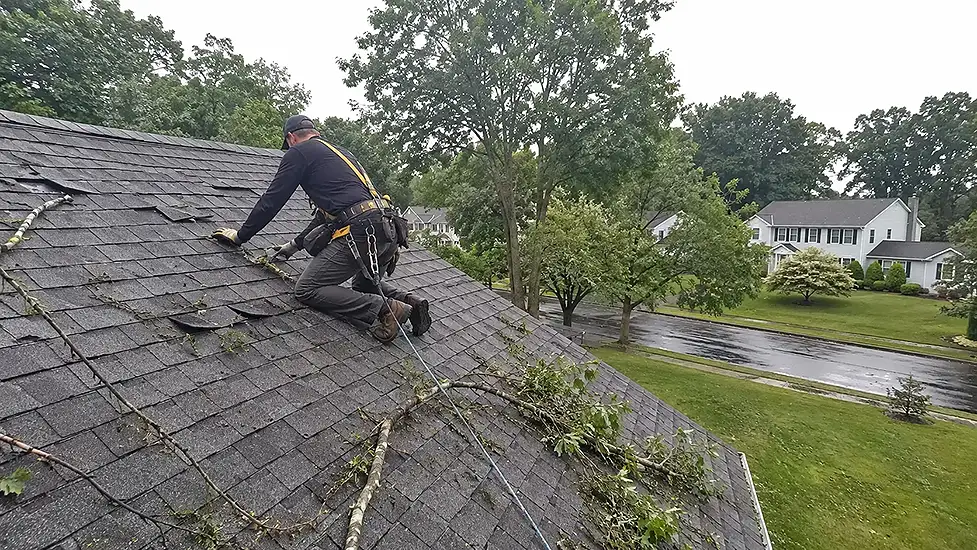
Fallen Branches on the Roof
Concentrated impact can damage shingles, flashing, decking, gutters, and roof edges in the affected area.
Roof Storm Damage Repair Options
Repair or Replacement Depends on the Extent of Damage
The right roof storm damage repair recommendation depends on the weather event, affected roof slopes, material condition, roof age, previous repairs, flashing, penetrations, decking, and signs of water movement. These details help show whether the damage appears isolated or affects a larger part of the roofing system.
When storm damage is limited and the surrounding materials remain serviceable, a focused repair can be an economical alternative to replacing a broader roof area. Replacement may deserve consideration when wind, hail, or falling debris has affected multiple areas, suitable matching materials are unavailable, or repeated localized work would be impractical.
Before work begins, Jersey Eco Roofing explains the included areas, proposed materials, schedule, property access, protection, and cleanup. Homeowners can compare the recommended scope with their budget and review what may change if concealed damage is discovered after damaged roofing materials are removed.
What to Do After Severe Weather
Document Visible Roof Damage From a Safe Location
After severe weather, note the date of the event and any changes you can see from a safe location. Photograph missing shingles, fallen branches, loose gutters, damaged exterior materials, and interior water stains from the ground or inside the home. Do not climb onto a wet or damaged roof.
If water is entering the home, move belongings away from the affected area and use containers to limit interior damage when it is safe to do so. Keep photos, notes, estimates, and related correspondence together so you have a clear record of the condition and the work discussed.
A professional storm damage roof inspection can add context by identifying accessible affected areas and explaining whether a repair or replacement is recommended. Concealed conditions may remain unknown until damaged materials are opened.
Choose the Next Step for Your Roof
If the storm left an active drip or ceiling stain, review our roof leak repair service. For damaged seams, ponding water, or punctures on a low-slope roof, see flat roof repair. Widespread damage may require a roof replacement assessment.
Our team serves Springfield and nearby communities across Union County, Essex County, and Morris County. Share the property address and visible damage so we can discuss the right inspection.
If repairs expand to sheathing or structural work, review our New Jersey roofing permit guide and confirm the requirements for the proposed scope.
Hail, Wind, and Fallen-Tree Damage Need Different Repairs
Hail can bruise shingles, dislodge protective granules, dent metal flashing, or puncture an exposed membrane. Wind may lift shingle tabs, break seals, loosen ridge caps, or pull at roof edges. A dented gutter alone does not establish the condition of the roof; the roofing materials and nearby details need their own inspection.
A fallen branch can damage more than the surface covering. The repair scope should account for the opening, underlayment, decking, and any affected framing. Avoid moving large branches yourself or entering a room beneath a visibly sagging ceiling. Repairing the surface without addressing damaged supporting materials can leave the problem unresolved.
Emergency Roof Protection and Tarping
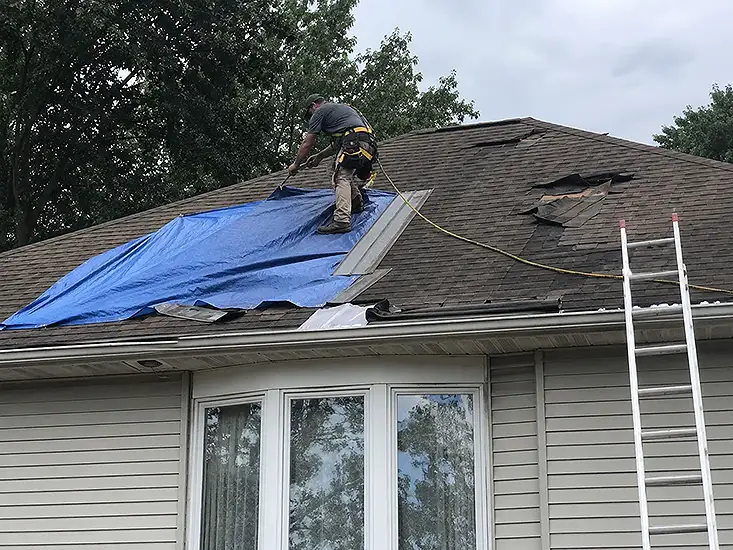
An exposed roof or active leak may need temporary protection before permanent repairs can begin. Professionally installed tarping or another suitable temporary covering can limit additional water entry, but it is not a permanent roof repair. Call with the property address, damage description, and whether water is entering so availability and safe access can be discussed. Timing depends on weather, roof conditions, and the work required.
Storm Damage on Flat and Commercial Roofs
On a low-slope roof, wind and debris may affect membrane seams, perimeter attachments, rooftop equipment flashing, or drains. TPO, EPDM rubber, modified bitumen, and built-up roofs require different compatible repair materials. Building owners should identify the roof system, existing warranty, access arrangements, and any previous repairs when requesting a flat roof assessment.
What Affects Storm Damage Roof Repair Cost in New Jersey?
- Extent of damage: a few affected shingles or one flashing detail is a different scope from multiple damaged slopes or punctured decking.
- Roof material and access: roof height, pitch, equipment needs, and compatible replacement materials affect the work.
- Concealed conditions: wet insulation, deteriorated sheathing, or structural damage may expand the repair.
- Temporary protection: emergency stabilization and permanent repairs should be identified separately in the estimate.
Compare written estimates by the included work, materials, cleanup, and treatment of hidden damage, rather than price alone. A roof inspection is needed before a meaningful project price can be provided.
Insurance Documentation After a Storm
Report damage promptly to your insurer and ask what evidence and deadlines apply. Keep dated photos, inspection findings, estimates, and receipts for temporary protection. Coordinate permanent repairs with the adjuster so the damage can be reviewed first. The New Jersey Department of Banking and Insurance storm claims guidance explains these steps. Your insurer determines coverage; a roofing estimate does not guarantee claim approval.
Questions About the Service?
Talk With a Local Roofing Team
Share what you have noticed and where the property is located. Our team can help you understand the next step.
What to Expect
Our Storm Damage Roof Repair Process
Each step connects the weather event and inspection findings to the recommended repair, completed work, and final review.
Tell Us What Happened
Share the storm date, wind, hail, fallen debris, roof leaks, missing materials, and other changes you noticed.
Inspect Accessible Roof Areas
We review visible shingles, flashing, penetrations, roof edges, gutters, and related exterior conditions.
Review the Repair Recommendation
We explain the affected areas, proposed scope, materials, timing, and whether repair or replacement fits the findings.
Complete and Review the Work
The approved storm damage roof repair and surrounding property are checked before cleanup and closeout.
Why Choose Jersey Eco Roofing
Local Roof Repair Guidance With Direct Project Oversight
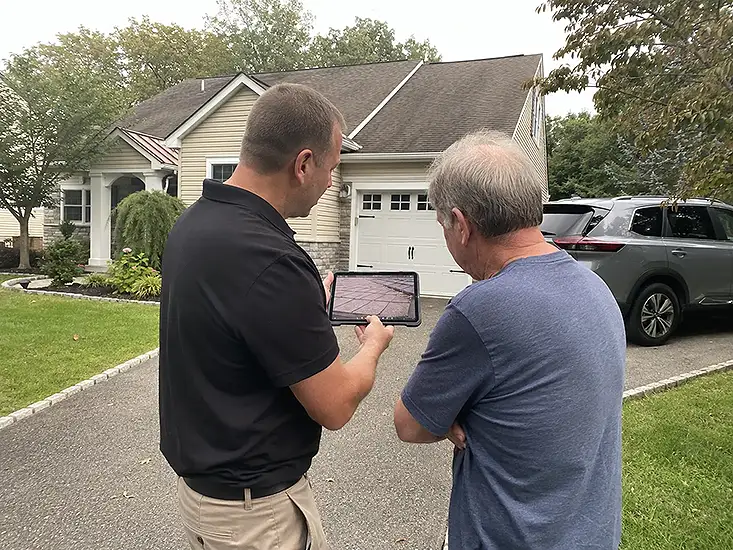
Jersey Eco Roofing keeps the storm damage inspection, recommendation, project details, and homeowner communication connected from the first roof review through completion.
That direct involvement makes it easier to understand which visible conditions may be storm-related, why a repair or replacement is being recommended, and how the proposed scope stays focused on work supported by the inspection.
Homeowners throughout North and Central New Jersey can discuss schedule, budget, materials, workmanship, cleanup, and care for the surrounding property before deciding how to move forward.
New Jersey Storm and Wind Damage Questions
Storm Damage Roof Repair FAQs
Find answers about storm damage roof repair, wind damage roof repair, missing shingles, flashing, roof leaks, inspections, and repair timing in New Jersey.
Storm damage roof repair can include replacing missing, lifted, or creased shingles, repairing punctures or damaged roof edges, and resealing or replacing affected flashing or ridge materials. The exact scope depends on the weather event, damaged area, roofing system, and condition of the surrounding materials.
Signs of wind damage can include missing shingles, lifted or creased edges, loose flashing, displaced ridge materials, damaged gutters, debris on the roof, or a new leak. Because some damage is difficult to confirm from the ground, a professional inspection can help identify visible concerns safely.
Cost depends on the damaged area, roof material, height and access, temporary protection, and whether decking or other concealed materials need repair. Ask for an estimate that separates the permanent repair from temporary work and explains how additional damage will be handled.
A focused repair may be the more economical approach when storm damage is isolated and nearby roofing materials remain serviceable. Replacement may be considered when damage affects multiple areas, suitable matching materials are unavailable, or repeated repairs would be impractical. The inspection connects the recommendation to the visible roof condition.
Move belongings away from the leak and use containers to limit interior water damage when it is safe. Photograph visible damage from the ground, note where water appears inside, and arrange a roof inspection. Avoid climbing onto a wet or damaged roof, especially during active severe weather.
Schedule an inspection as soon as practical when shingles are missing, debris has struck the roof, exterior components have shifted, or water is entering the home. Even without an active leak, a timely review can document accessible visible conditions before additional wind or rain affects the damaged area.
Many standard homeowners policies cover wind or hail losses, but deductibles, exclusions, and policy terms vary. Your insurer determines whether the specific damage is covered. Report the loss promptly, document the condition, save temporary-repair receipts, and ask the adjuster about the steps needed before permanent work. See New Jersey insurance guidance for extreme weather.
Has Severe Weather Affected Your Roof?
Schedule Storm Damage Roof Repair in New Jersey
Tell Jersey Eco Roofing when the storm occurred, what you have noticed, and where the property is located. Our team will follow up to discuss a roof inspection and the next step.