Flat Roof Repair in New Jersey
Flat Roof Leaks Often Begin With Drainage, Seams, or Flashing
Flat and low-slope roofs shed water differently from steep-slope shingle systems. Drains, scuppers, seams, flashing, penetrations, roof edges, and surface condition all influence where water moves and where a leak may develop. Even a small opening can affect a wider area when water travels beneath the roof surface.
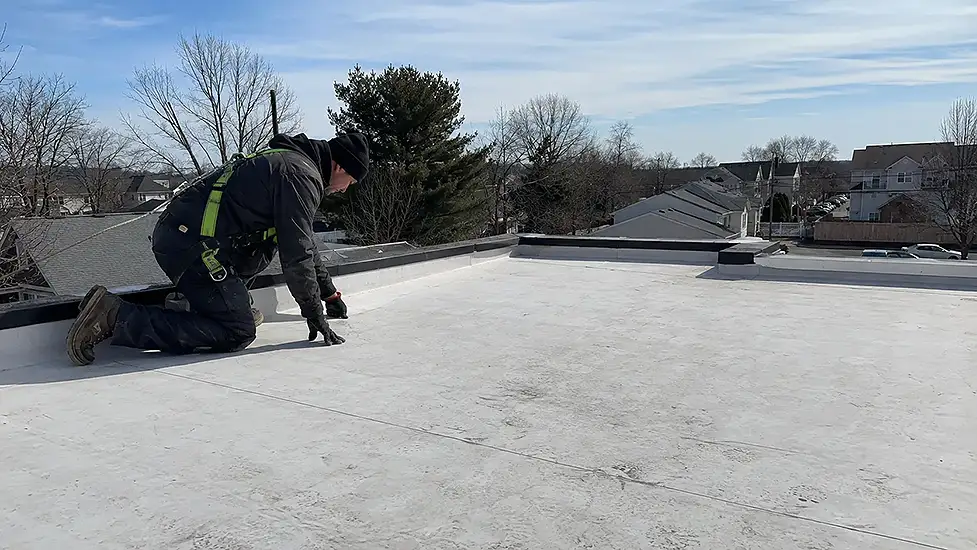
Jersey Eco Roofing reviews accessible flat roof areas for visible concerns connected to ponding water, open seams, worn surfaces, damaged flashing, recurring leaks, and drainage problems. That closer inspection helps determine whether the issue appears localized or extends across a broader section.
Homeowners receive a clear explanation of the visible findings, proposed repair area, materials, timing, access, and cleanup. If trapped moisture or deterioration becomes visible after affected materials are opened, the next steps can be reviewed before additional work proceeds.
When to Schedule Flat Roof Service
Signs Your Flat or Low-Slope Roof Needs Attention
Flat roof problems may appear as standing water, recurring ceiling stains, loose seams, surface cracks, bubbles, soft areas, or damaged flashing. Because water moves slowly across a low-slope roof, the place where moisture appears inside may not sit directly below the exterior opening.
A professional inspection can evaluate visible roofing and drainage conditions together. The findings help clarify whether focused flat roof repair, a larger restoration area, roof replacement, or continued monitoring should be considered.
Ponding or Standing Water
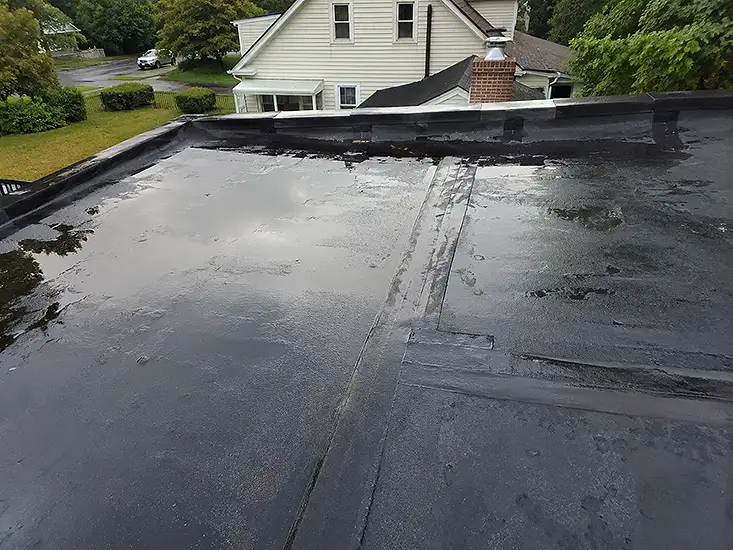
Water that remains after rain may point to blocked drainage, surface depressions, limited slope, or another condition that needs review.
Open Seams or Lifted Edges
Separated seams, loose terminations, and lifted perimeter details can create entry points for moisture.
Cracks, Blisters, or Surface Wear
Age, movement, heat, and weather exposure can crack, split, blister, or wear the visible roof surface.
Leaks Near Walls or Penetrations
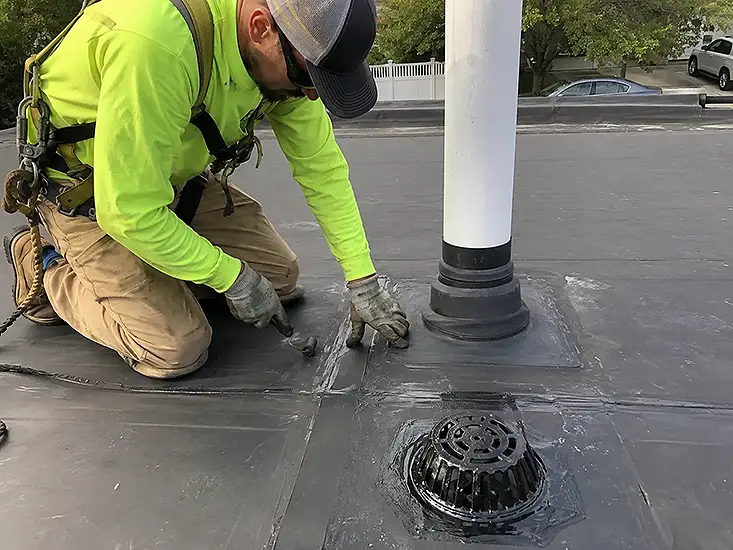
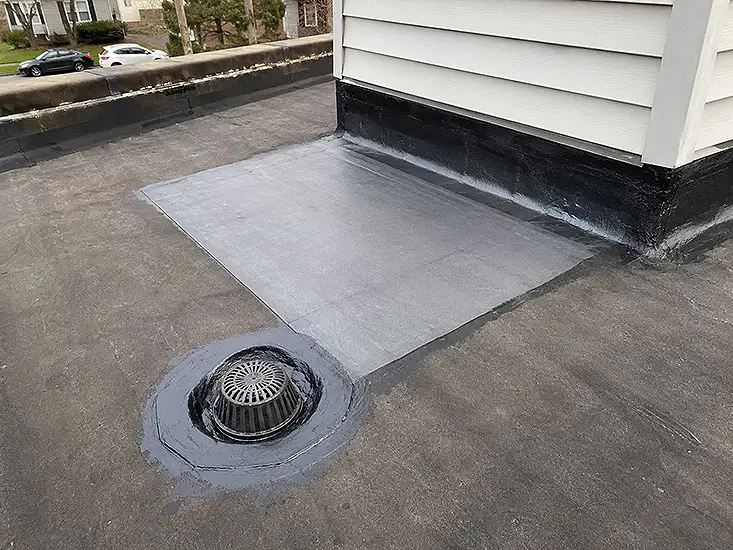
Flashing around walls, drains, vents, curbs, and other openings is a common source of flat roof leaks.
Blocked Drains or Scuppers
Leaves, debris, and damaged drainage components can slow water removal and contribute to ponding.
Recurring Leaks After Patching
Repeated trouble in the same area may mean the original source, trapped moisture, or a nearby detail remains unresolved.
Flat Roof Repair Options
A Focused Repair Starts With the Cause of the Leak
The appropriate flat roof repair depends on the roofing system, roof age, visible surface condition, drainage, seams, flashing, penetrations, prior repairs, and the apparent extent of moisture. These factors help show whether the concern is limited to one detail or affects a larger section.
When the problem is localized and surrounding materials remain serviceable, repairing an open seam, flashing detail, roof edge, drain, penetration, or worn surface area can be an economical alternative to replacing a broader section. A larger scope may need consideration when deterioration is widespread or moisture has moved beneath the surface.
Before work begins, Jersey Eco Roofing explains the included area, proposed repair material, timing, property access, protection, and cleanup. Homeowners can compare the recommended scope with their budget and review what may change if concealed moisture or damaged materials are discovered during the repair.
Understanding Low-Slope Roofs
Drainage and Seam Details Shape Flat Roof Performance
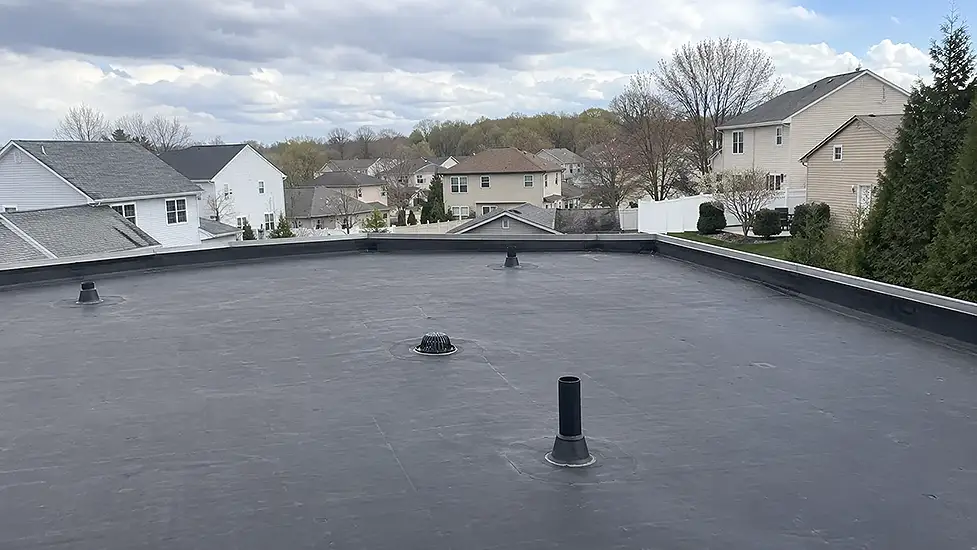
A roof described as flat normally has a slight slope that directs water toward drains, scuppers, gutters, or roof edges. When drainage is blocked or the surface has settled, water may remain long enough to test seams, flashing, and other vulnerable details.
Ponding water does not automatically identify the leak source. Water can enter around a seam, wall, drain, vent, or edge and travel beneath the roof surface or along the deck before becoming visible indoors.
Jersey Eco Roofing reviews visible surface and drainage conditions together so the flat roof leak repair recommendation stays connected to how the low-slope area is performing. This helps define a practical scope instead of repeatedly patching the location where water happens to appear inside.
Questions About the Service?
Talk With a Local Roofing Team
Share what you have noticed and where the property is located. Our team can help you understand the next step.
What to Expect
Our Flat Roof Repair Process
Each step connects the reported leak or drainage concern to the inspection findings, proposed repair, completed work, and final review.
Describe the Flat Roof Concern
Tell us about leaks, ponding water, soft areas, open seams, prior repairs, and when the problem appears.
Review the Low-Slope Roof Area
We inspect accessible surface materials, seams, flashing, roof edges, drains, scuppers, and penetrations.
Discuss the Repair Recommendation
We explain the visible findings, proposed materials, included area, timing, and factors that may affect the work.
Complete and Review the Repair
The approved flat roof repair and surrounding property are checked before cleanup and closeout.
Why Choose Jersey Eco Roofing
Clear Recommendations Based on Visible Roof Conditions
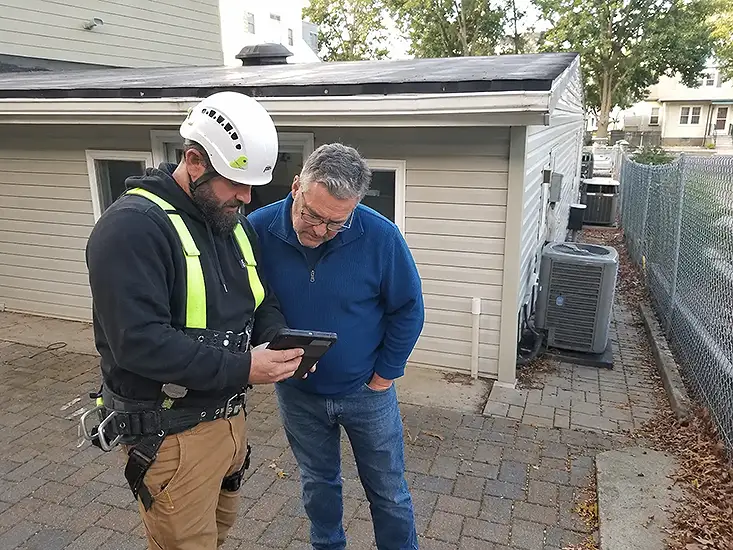
Jersey Eco Roofing keeps the flat roof inspection, drainage review, repair recommendation, project details, and homeowner communication connected from the first visit through completion.
That direct involvement makes it easier to understand why a specific area is being addressed and how the proposed scope stays focused on seams, flashing, drainage, penetrations, and other conditions supported by the inspection.
Homeowners throughout North and Central New Jersey can discuss schedule, budget, materials, workmanship, cleanup, and care for the surrounding property before deciding how to move forward.
New Jersey Flat Roof Questions
Flat Roof Repair FAQs
Find answers about flat roof repair, roof leaks, ponding water, open seams, flashing, drainage, inspections, and repair timing in New Jersey.
Flat roof leaks commonly begin around open seams, damaged flashing, drains, vents, roof edges, punctures, worn surface materials, or previous repair areas. Ponding water can increase exposure at vulnerable details. An inspection helps connect the interior symptoms to visible conditions on the roof.
Water that remains on a flat or low-slope roof can place added stress on seams, flashing, drains, and worn areas. Ponding may result from blocked drainage, settlement, surface depressions, or limited slope. The cause and condition of the surrounding roofing should be reviewed before recommending a repair.
Yes. A focused flat roof repair may be the more economical option when the source is localized and nearby materials remain serviceable. Replacement may deserve consideration when deterioration is widespread, moisture has affected a larger area, or repeated localized repairs would not provide a practical result.
A leak may return when the original opening was misidentified, water is traveling beneath the roof surface, nearby seams or flashing are also damaged, trapped moisture remains, or drainage keeps directing water toward the same area. A broader inspection can help identify the underlying condition.
The review begins with the reported interior location and the accessible roof area above and around it. Visible seams, flashing, drains, penetrations, edges, surface wear, ponding patterns, and previous repairs are evaluated because water may travel before it appears inside the property.
Repair timing depends on the size and location of the affected area, roof system, access, weather, drying conditions, material availability, and whether concealed moisture or deterioration is found after materials are opened. The proposed schedule can be reviewed after the inspection defines the expected scope.
Concerned About a Flat or Low-Slope Roof?
Schedule Flat Roof Repair in New Jersey
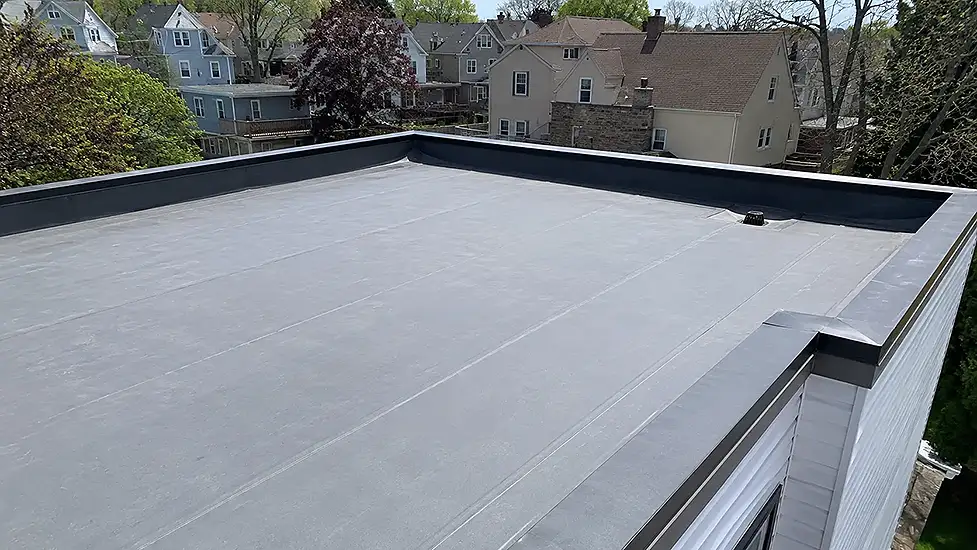
Tell Jersey Eco Roofing where the flat roof is located, what you have noticed, and how long the concern has been present. Our team will follow up to discuss an inspection and the next step.